Redefining Visual Identity: How the Steam Font is Transforming Modern Creative Workflows
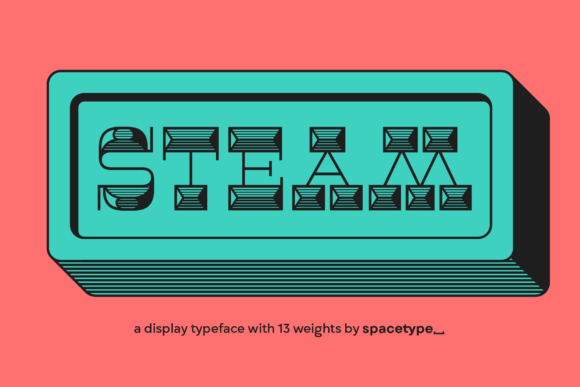
In an era where digital saturation has made every pixel compete for attention, designers and brand strategists are increasingly turning to typography that tells a story before a single word is read. Among the latest trends capturing the imagination of professionals, creators, and entrepreneurs is Steam, a cool and interestingly designed display font. It is not merely a typeface; it is a visual metaphor for motion, energy, and industrial precision. By elevating a wide range of crafting ideas, from cards to branding, labels, and much more, Steam offers a unique aesthetic that bridges the gap between retro-futurism and contemporary minimalism.
This article explores why this specific typographic choice is gaining traction in professional circles, how it aligns with broader market trends, and practical ways you can integrate it into your workflow to achieve stunning results.
Understanding the Aesthetic: What Is Steam?
To understand the impact of Steam, one must first deconstruct its visual language. The font is characterized by its fluid, vapor-like trails and sharp, mechanical accents. It mimics the ephemeral nature of steam rising from a hot surface while maintaining the structural integrity of a high-tech interface. This duality is what makes it so compelling for modern design projects.
Unlike traditional serif or sans-serif fonts that prioritize readability above all else, Steam is a display font. Its primary function is to evoke emotion and set a tone. When you add it confidently to your favorite creations, you are injecting a sense of dynamic movement into static media. The outcome generated is often mesmerizing, drawing the viewer’s eye along the curves and suggesting speed, transformation, or heat.
The design philosophy behind Steam reflects a growing desire in the creative industry to move away from flat, sterile designs toward those that feel tactile and atmospheric. It is a font that demands space, commanding attention through its intricate details and bold presence.
Aligning with Broader Industry Trends
The resurgence of interest in fonts like Steam is not an isolated phenomenon but rather a symptom of larger shifts in consumer preferences and technological capabilities. Several key trends explain why people are paying attention to this style of typography right now.
The Nostalgia-Tech Hybrid
We are living in a period defined by "retro-futurism." Consumers are drawn to aesthetics that blend the warmth of the past with the sleekness of the future. Steam perfectly encapsulates this hybrid appeal. It references the industrial revolution and the age of machinery, yet its execution feels digitally native and modern. For brands looking to position themselves as both established and innovative, this font provides a visual shorthand for that balance.
The Demand for Tangibility in Digital Spaces
As our lives become increasingly virtual, there is a counter-movement craving tangible, sensory experiences. Even in graphic design, users respond better to visuals that suggest physical properties—weight, texture, temperature. Steam suggests heat and air, engaging the viewer’s sensory imagination. This aligns with the broader lifestyle trend of seeking immersive experiences, whether in gaming, interior design, or product packaging.
Personalization and Craftsmanship
The rise of the creator economy has empowered individuals to produce high-quality content at scale. Entrepreneurs and freelancers are no longer just consumers of templates; they are curators of identity. Tools and resources that allow for rapid, high-impact customization are in high demand. Steam fits this need by offering a distinctive look that can instantly elevate a project without requiring extensive graphic design expertise.
Practical Applications for Professionals and Creators
The versatility of Steam lies in its ability to adapt to various contexts. Whether you are a marketer designing a campaign or a freelancer creating a personal brand, here is how you can leverage this font effectively.
Branding and Logo Design
For startups and small businesses, standing out in a crowded marketplace is crucial. Using Steam for a logo or brand mark can immediately communicate energy and innovation. It works particularly well for industries related to technology, energy, automotive, and fitness. However, caution is advised: because it is a display font, it should be used sparingly in logos to ensure legibility across different sizes and mediums.
Packaging and Labels
In the world of physical products, shelf appeal is everything. Steam adds a layer of sophistication and intrigue to packaging. Imagine a craft beverage bottle labeled with Steam—it suggests effervescence, freshness, and artisanal quality. Similarly, for tech accessories or beauty products, the font can convey a sense of advanced formulation or powerful ingredients. It transforms a simple label into a piece of art.
Digital Marketing and Social Media
Social media platforms are visually driven environments where second chances are rare. Headers for Instagram posts, YouTube thumbnails, or LinkedIn banners can benefit greatly from the dramatic flair of Steam. It helps break the monotony of standard text overlays. Marketers should use it for headlines or key phrases, pairing it with clean, readable body text to maintain accessibility.
Event Materials and Cards
From wedding invitations to concert flyers, event materials rely heavily on typography to set the mood. Steam is excellent for events that celebrate energy, such as music festivals, tech conferences, or launch parties. It can also be used ironically or creatively for more formal events to create a striking contrast. The font’s elegance ensures that even casual cards look professionally designed.
Best Practices for Integration
While Steam is a powerful tool, it requires thoughtful application to avoid overwhelming the viewer. Here are some guidelines for integrating it into your projects:
- Pairing is Key: Because Steam is complex and decorative, pair it with simple, neutral fonts for body text. A clean sans-serif or a classic serif will provide the necessary contrast and balance.
- White Space is Your Friend: Give the letters room to breathe. Crowding Steam with other elements can make the design look cluttered and reduce its impact.
- Color Matters: The font often looks best in monochromatic schemes or with gradients that mimic light and shadow. Avoid overly bright, clashing colors unless you are aiming for a very specific, vibrant aesthetic.
- Contextual Relevance: Ensure the font matches the message. Steam conveys motion and heat; using it for a calm, meditative wellness brand might send mixed signals.
The Future of Typographic Expression
As we look ahead, the role of typography in design will continue to evolve. With advancements in variable fonts and 3D rendering, typefaces like Steam will likely become even more dynamic. We may see them animate in real-time, responding to user interaction or environmental data. This forward-looking potential makes investing time in learning how to use these tools wisely a valuable skill for any creative professional.
The shift towards more expressive, narrative-driven design is permanent. Consumers are tired of generic, cookie-cutter aesthetics. They want brands and creators who have a distinct voice. Steam provides that voice through its unique visual character. It allows designers to speak in a language of energy and transformation, resonating with audiences who value authenticity and creativity.
Conclusion
In conclusion, Steam is more than just a trendy font; it is a strategic asset for anyone looking to elevate their visual communication. Its ability to bridge nostalgia and innovation, combined with its practical versatility across various media, makes it an indispensable tool in the modern designer’s arsenal. By understanding its strengths and applying it with confidence, you can transform ordinary projects into extraordinary experiences.
Whether you are redesigning your brand identity, creating marketing collateral, or simply exploring new creative outlets, let yourself be amazed by the outcome generated. The landscape of design is changing, and those who embrace new forms of expression will lead the way. Start experimenting with Steam today, and discover how a single typographic choice can redefine your creative output.
For more insights on design trends and creative tools, stay connected with the latest developments in the industry. The future of design is dynamic, colorful, and full of potential.